The impact of lifting equipment on productivity

The importance of lifting equipment in industry

Lifting equipment is a key part of industrial production processes, enabling heavy and complex material to be handled safely and efficiently. These tools, such as scissors, grabs and lifting frames, are designed to meet stringent safety and quality requirements, ensuring their reliability and longevity. The lifting accessories offered by Hefmec are CE marked, which means that they comply with the Machinery Directive and the national regulations of the country of destination.

In demanding industrial environments, the durability and functionality of lifting accessories are of paramount importance. Hefmec products are made of high quality materials that guarantee long life and maximum safety. This not only improves production efficiency, but also reduces the possibility of errors and improves safety at work.

Improving productivity with lifting aids

The use of lifting equipment in industry can significantly improve productivity. For example, collapsible grippers allow lifting and turning pieces of different sizes and shapes without steps, reducing cycle time and production costs. This flexibility is particularly useful when handling off-centre pieces, such as large barrels or bushings.

Another example is lifting beams, which provide an efficient and versatile solution for lifting and moving different types of objects in an industrial environment. Adjustable lifting beams allow loads of different sizes and weights to be handled safely and efficiently, reducing the need for manual adjustment and speeding up the lifting process.

Safety and compliance

Safety always comes first when it comes to lifting equipment. Hefmec products are CE marked, which guarantees that they comply with the standards. This means that the products meet all the necessary safety and quality standards, which is particularly important in demanding industrial environments.

In addition, Hefmec lifting accessories are supplied with comprehensive documentation, including operating and maintenance instructions, a declaration of conformity and an inspection report. This ensures that customers can use the products safely and efficiently and that all the necessary information is easily accessible.

Special solutions and customer-specific needs

Every industrial environment is unique, which is why Hefmec offers customised solutions for the design and supply of lifting accessories. For example, ring grippers with multiple lifting points allow safe and secure form-locked gripping of different shaped pieces. This flexibility is particularly useful in spaces where height presents lifting challenges.

Hefmec’s experts work closely with customers to design lifting accessories that meet their specific needs. This customer-centric approach ensures that the solutions are technically and economically right-sized and will continue to improve productivity in the future.

Lifetime warranty and durability

Hefmec lifting accessories are supplied with a lifetime guarantee covering design, material and manufacturing defects in the load-bearing structures for their designed lifetime. This warranty is a testament to the high quality and durability of the products, giving customers peace of mind and assurance that their investment is protected.

A lifetime guarantee not only increases customer confidence in products, but also reduces long-term costs. When lifting equipment is durable and reliable, maintenance and repair costs remain low, improving overall cost-effectiveness.

Summary

Lifting equipment is an integral part of industrial production processes and has a significant impact on productivity. Hefmec solutions, such as pallet jacks, lifting beams and ring jacks, are designed to meet stringent safety and quality requirements, ensuring their reliability and longevity. Customised solutions and a lifetime warranty ensure that customers receive products that meet their specific needs, improving productivity and reducing costs in the long term.

Hefmec’s experts are committed to providing high-quality, durable lifting equipment that meets the demanding conditions of industry and improves production efficiency. This customer-oriented approach and technical expertise make Hefmec a reliable partner for industrial lifting equipment needs.

Technical consultancy: productivity in industry

The role of technical consultancy in industry

Technical consultancy is the backbone of industry, enabling continuous development and innovation. It enables companies to identify and solve complex production problems, improve their processes and optimise the use of resources. This not only increases productivity, but also reduces costs and improves competitiveness.

Our role as technical consultants is to provide in-depth expertise and practical solutions based on years of experience and industry best practice. We understand that every industry and business is unique, which is why we tailor our services to meet the specific needs of each client. This approach ensures that the solutions we provide are both effective and sustainable.

Optimising processes and improving efficiency

Process optimisation is a key part of technical consultancy. It involves analysing and improving existing production processes so that they operate as efficiently as possible. This may involve, for example, reorganising production lines, increasing automation or introducing new technologies.

Improving efficiency is not just about reducing costs, but also about improving quality and security of supply. When processes run smoothly and without unnecessary interruptions, a company can better meet the needs and expectations of its customers. This creates the basis for long-term success and growth.

Exploiting innovation and new technologies

Rapid technological progress is constantly offering new opportunities for industry. Technical consultancy enables companies to keep up to date with the latest innovations and to use them in their own operations. This can mean integrating AI, machine learning or IoT solutions into production processes.

But harnessing innovation requires a deep understanding of both the technologies and their practical application. Our job is to help our customers navigate this complex landscape and find the solutions that add the most value to their business. This requires continuous learning and development to provide the best possible service.

Risk management and quality assurance

Industrial production processes are often complex and involve many risks. Technical consultancy can help to identify and manage these risks effectively. This can include, for example, carrying out risk analyses, developing safety protocols and implementing quality assurance systems.

Quality assurance is an essential part of risk management. It means that all stages of the production process are inspected to ensure that they meet the required quality standards. This not only reduces the risk of errors and problems, but also improves the quality of the final product and customer satisfaction. With our expertise and experience, we can help our customers create and maintain high quality production processes.

Cost-effectiveness and financial sustainability

One of the main objectives of technical consultancy is to improve the cost-effectiveness of a company. This means that production processes are designed and implemented to deliver maximum value at minimum cost. This can include optimising the use of materials and energy, reducing waste and minimising production downtime.

Economic sustainability is also a key factor. This means that the business is profitable and sustainable in the long term. Technical consultancy can help create solutions that not only improve current productivity, but also ensure the future success of the business. This requires strategic thinking and the ability to anticipate future challenges and opportunities.

The importance of cooperation and customer focus

Collaboration and customer focus are the cornerstones of technical consultancy. We believe that the best solutions come from working closely with our clients. This means listening to their needs and wishes, and developing solutions that meet those needs as well as possible.

Being customer-centric also means being flexible and adaptable. We understand that every project is unique, which is why we tailor our services to meet the specific needs of each client. This approach ensures that the solutions we provide are both effective and sustainable, and that our clients can rely on us in all situations.

The role of lifting equipment in the production process

The importance of lifting equipment in the production process

Lifting equipment is an essential part of the modern production process, allowing heavy and complex material to be handled safely and efficiently. These tools, such as scissors, lifting beams and cradles, are designed to meet stringent safety and quality requirements, ensuring their reliability and long life. Hefmec’s lifting accessories are CE marked and comply with the Machinery Directive and national regulations, giving customers confidence in the safety and quality of the products.

In the production process, lifting aids not only improve efficiency, but also reduce the need for manual work and the associated risks. This is particularly important in industrial environments where heavy and large pieces are commonplace. Lifting equipment helps to optimise production processes, reduce the possibility of errors and improve safety in the working environment.

Safety and compliance

Safety is one of the most important factors in the design and use of lifting accessories. Hefmec lifting accessories meet all the necessary safety requirements and are CE marked to ensure compliance. This means that the products have passed stringent tests and inspections and are safe to use in a variety of industrial environments.

The declaration of conformity and the inspection report are an integral part of the delivery of lifting accessories. These documents ensure that the equipment meets all the necessary standards and regulations. In addition, operating and maintenance instructions help users to understand how to use the equipment safely and efficiently, reducing the risk of accidents and extending the life of the equipment.

Improving efficiency

Lifting equipment, such as lifting beams and cradles, are designed to improve the efficiency of production processes. Fixed lifting points eliminate the need to adjust the lifting equipment to different load sizes, speeding up the lifting process and reducing the need for manual labour. This not only improves production efficiency, but also reduces the possibility of errors and improves work safety.

Hefmec’s adjustable lifting beams offer the flexibility to handle loads of different sizes and weights safely and efficiently. In the adjustable versions, the mobility of the lifting points allows products of different sizes to be lifted with a single tool, saving on procurement and production costs. This makes them a cost-effective solution, especially in industrial environments where products of the same size and shape are lifted repeatedly.

Versatility and flexibility

The versatility and flexibility of lifting equipment is key when handling different types of pieces in industrial environments. Ring grippers and collapsible grippers allow you to lift different shapes and sizes of objects safely and efficiently. The multiple lifting points and protruding arms of ring grippers allow lifting of different sized pieces with one tool, saving time and costs.

The grippers offer particular flexibility, as they can lift and turn several pieces of different sizes and shapes. Thanks to their interchangeable pads and adjustable frame, the pads are particularly suitable for handling large barrels or bushes. During the lifting operation, the pieces can be turned continuously, which allows for work steps during the lifting process and increases the flexibility of the production process.

Lifetime warranty and reliability

Hefmec lifting accessories are renowned for their high quality and reliability. One major advantage is the lifetime warranty against defects in design, materials and workmanship of load-bearing structures for their designed lifetime. This warranty gives customers peace of mind and reassurance that they have invested in durable and reliable products.

A lifetime guarantee not only increases customer confidence in products, but also reduces long-term costs. When lifting equipment is designed to withstand the harsh conditions of industry, customers can be confident that their investment will pay off in the long term. This makes Hefmec lifting accessories an attractive choice for industrial companies looking for reliable and sustainable solutions to improve the efficiency of their production processes.

The importance of lifting equipment in mechanical engineering

The role of lifting equipment in mechanical engineering

Lifting equipment plays a key role in mechanical engineering, enabling heavy and complex material to be handled safely and efficiently. These tools, such as lifting beams, lifting frames, cradles and scissors, are specifically designed for the demanding conditions of industry. They not only improve production efficiency, but also reduce the risk of errors and improve safety at work.

Hefmec lifting accessories are made of high quality materials that guarantee long life and maximum safety. The products are designed to withstand the harsh industrial environment and come CE marked, ensuring compliance with the standards. This ensures that our customers can rely on the quality and safety of our products.

Fixed and adjustable lifting beams

Lifting beams are one of the most common lifting aids used in mechanical engineering. Fixed lifting points eliminate the need to adjust lifting equipment for different sized loads, speeding up the lifting process and reducing the need for manual adjustment by workers. This not only improves production efficiency, but also reduces the possibility of errors and improves worker safety.

Adjustable lifting beams offer an efficient and versatile solution for lifting and moving different types of objects in an industrial environment. In the adjustable versions, the mobility of the lifting points allows products of different sizes to be lifted with a single tool. This flexibility is particularly useful when handling loads of different sizes and weights safely and efficiently.

Lifting frames and their versatility

Lifting frames are another important lifting aid, allowing you to lift objects of different sizes and shapes safely and in the correct position. The multiple suspension points of the lifting frames allow lifting objects of different sizes and shapes safely and in the correct position. This versatility makes them an excellent choice for a wide range of industrial applications.

Lifting frames save on procurement costs, phase time and therefore production costs. They offer a cost-effective solution, especially when the products to be lifted are standardised and uniform. This makes them particularly useful in industrial environments where products of the same size and shape are lifted repeatedly.

Spherical starters and their specific characteristics

The hoop hoists are specially designed for spaces where height poses a challenge for lifting. They allow safe and secure form-locked gripping of different shapes of objects, for example the inner edge of a round object. The protruding arms of the ring grippers allow lifting of objects of different sizes with a single tool, which increases their versatility.

Frame starters save on procurement costs, phase time and production costs. They offer a cost-effective solution, especially when the products to be lifted are standardised and uniform. This makes them particularly useful in industrial environments where products of the same size and shape are lifted repeatedly.

Lifting scissors and their applications

Lifting shears are particularly useful when form-locking and self-tightening gripping is required. Typically, lifting scissors are used to lift round pieces, such as large bearings or annular pieces. The quick-release jaws of the scissor jaws allow the jaws to be interchanged or rotated, allowing lifting from inside or outside the workpiece.

Lifting scissors save on procurement costs, phase time and production costs. They offer a cost-effective solution, especially when the products to be lifted are standardised and uniform. This makes them particularly useful in industrial environments where products of the same size and shape are lifted repeatedly.

Pantomime grippers and their advantages

The grab rails are specially designed for areas where height poses a challenge for lifting. They allow safe and secure form-locked gripping of different shapes of objects, for example the inside edge of a round object. The grippers save on procurement costs, lead time and production costs.

Pantomime grippers offer a cost-effective solution, especially when the products to be lifted are standardised and uniform. This makes them particularly useful in industrial environments where products of similar size and shape are lifted repeatedly. They also offer flexibility and versatility, making them an excellent choice for a wide range of industrial applications.

Expertise in specialised machinery design in industry

The importance of specialised machinery in industry

Specialised machinery is the backbone of industry, enabling production processes to be made more efficient and quality to be improved. Designing special machines requires a deep understanding of the customer’s needs and the production environment. This means that each machine is tailored to meet specific requirements, making them invaluable tools in many industries.

Many factors, such as usability, safety and durability, need to be taken into account when designing specialised machinery. A well-designed special machine not only improves production efficiency, but also reduces downtime and maintenance costs. In the long run, this will lead to significant savings and improved competitiveness.

Steps in the design process

The design process for special purpose machines always starts with a thorough survey of the customer’s needs and requirements. This stage is critical as it determines the direction of the project and ensures that the final product meets expectations. The design process also includes risk assessment and anticipation of potential problems to ensure the safety and reliability of the equipment.

The next step is conceptual design, where preliminary models and prototypes are created. This phase allows for testing and optimisation of different solution options before the final design is approved. The final design includes detailed technical drawings and specifications that guide the manufacturing process.

Usability and safety

Usability and safety are key elements in the design of specialised machinery. Usability means that the machine must be easy to use and intuitive, so that operators can perform their tasks efficiently and without errors. This is achieved through ergonomic design and clear operating instructions.

Security is another critical factor that must never be allowed to take a back seat. Special-purpose machinery must meet stringent safety standards and regulations to ensure the safety of operators and the environment. This requires a comprehensive risk assessment and integration of safety features from the very beginning of the design process.

Automation solutions in industry

Automation solutions are becoming increasingly important in industry as they enable production processes to be made more efficient and quality to be improved. Automation reduces the risk of human error and improves the consistency of production. This is particularly important in repetitive operations where accuracy and speed are critical.

Hefmec’s automation solutions are always designed according to the customer’s needs and include project management, definition of automation solutions and mechanical design. Automation solutions also improve the safety and ergonomics of the work environment, increasing employee satisfaction and productivity.

Testing and quality assurance

Testing and quality assurance are an essential part of the design and manufacture of specialised machinery. Testers can be used to efficiently and safely test the properties of serial products, such as pressure resistance or water resistance. This allows early detection of faulty components, reducing production costs and improving the quality of the final product.

The testers designed by Hefmec are user-friendly and safe, and can be integrated into a production line or used as stand-alone devices. A well-designed tester saves phase time and therefore production costs, making it a valuable investment.

Lifetime warranty and customer satisfaction

Hefmec special machines and solutions are renowned for their durability and reliability. We offer a lifetime guarantee on many of our products, demonstrating our confidence in the quality of our design process and manufacturing methods. This guarantee gives our customers peace of mind and the assurance that their investment is protected.

Customer satisfaction is our top priority and we always strive to exceed our customers’ expectations. We listen carefully to our customers’ needs and provide tailor-made solutions that meet their specific requirements. This customer-centric approach is one of the reasons why we have the most satisfied customers in the industry.

Using lifting equipment in design projects

The importance of lifting equipment in design projects

Lifting equipment is a key part of many industrial design projects. They allow heavy and complex materials to be handled safely and efficiently. The use of lifting equipment reduces the need for manual work, which improves working conditions and reduces the risk of accidents. They also help to optimise production processes, leading to cost savings and improved productivity.

In engineering projects, the selection and use of lifting equipment requires careful planning and expertise. It is important to understand the loads and pieces to be lifted in order to select the right equipment and ensure its safe use. This also requires regular inspection and maintenance of lifting equipment to ensure that it remains in good working order and safe to use.

Different types of lifting accessories and their uses

There are many different types of lifting equipment and the choice depends on the shape, size and weight of the object to be lifted. For example, lifting scissors are an excellent choice for lifting round objects such as large bearings or annular objects. Lifting scissors have the advantage of a form-locking and self-tightening grip to ensure safe lifting.

On the other hand, perimeter supports are particularly suitable for spaces where height is a limiting factor. They have several lifting points that allow a safe and firm grip on different shapes of objects. These devices can be used to lift a variety of pieces, making them a versatile solution for many lifting needs.

Advantages of lifting beams and frames

Lifting beams and frames are also important lifting aids, offering flexibility and efficiency to lifting processes. Lifting beams with fixed lifting points eliminate the need to adjust lifting equipment to different load sizes. This speeds up the lifting process and reduces the need for manual adjustment, improving production efficiency and reducing the possibility of errors.

Lifting frames can be used to lift pieces of different sizes and shapes safely and in the correct position. Their multiple suspension points allow off-centre pieces to be lifted accurately in a horizontal or vertical position. This makes the lifting frames a very versatile and cost-effective solution for many industrial lifting needs.

Safety and compliance

Safety is always a priority when using lifting equipment. All lifting accessories must be designed and manufactured to comply with the Machinery Directive and the national regulations of the country of destination. This will ensure that the equipment is safe to use and meets all necessary standards.

Lifting equipment is often supplied with instructions for use and maintenance, a declaration of conformity and an inspection report. These documents ensure that the equipment has been properly inspected and maintained, which increases its safety and service life. In addition, regular inspection and maintenance are essential to keep lifting accessories in working order and safe to use.

Innovative solutions and customised design

Every lifting need is unique, which is why it is important to take into account the specific needs and requirements of the customer when designing lifting aids. Innovative solutions and customised design enable lifting accessories to precisely match customer needs and improve production efficiency.

Customised design also means that lifting accessories can be tailored to specific conditions, such as hygienic environments or cleanrooms. This ensures that the equipment is suitable and safe to use in all conditions, improving production quality and safety.

Future prospects and trends

Lifting equipment is constantly evolving, and new innovations are constantly emerging. In the future, we can expect more sophisticated and efficient lifting equipment, which will further improve production efficiency and safety. For example, the use of automation and digitalisation in lifting equipment can bring significant improvements to lifting processes.

It’s important to keep up to date with the latest developments and innovations so that we can offer our customers the best possible solutions. This requires continuous training and skills development to meet the changing needs and challenges of the industry. In this way, we can ensure that our lifting equipment is always up-to-date and meets our customers’ needs in the best possible way.

Developing specialised machinery: customer-driven solutions

Customer-centred design

In the development of special machines, customer focus is at the heart of everything. Our approach always starts with a deep understanding of the customer’s needs and wishes. This means that we listen carefully to our customers’ challenges and objectives in order to provide solutions that are tailored to their specific needs. Customer-centric design is not just about meeting technical requirements, but also about a holistic understanding of the customer’s business and processes.

When we design specialised machines, we take user-friendliness, safety and efficiency into account. This ensures that the end product not only meets technical requirements, but also improves the customer’s production process and the well-being of the workers. Customer-oriented design is a continuous process, where customer feedback and needs guide the development from start to finish.

Innovative automation solutions

Automation is a key part of modern industry, and we have extensive experience in developing a wide range of automation solutions. Automation solutions can significantly improve production efficiency and quality, especially in repetitive operations. Our areas of expertise include project management, definition of automation solutions and mechanical design. Every automation solution is designed with user-friendliness and safety at work in mind.

For example, machine automation solutions developed for valve testing have proven to be highly efficient and reliable. These solutions ensure that products meet all the required standards and perform flawlessly. Our automation solutions are flexible and scalable, allowing them to be adapted to different production environments and needs.

Testing and quality assurance

Quality assurance is an essential part of the development of specialised machinery. Well-designed test equipment allows efficient and safe testing of product characteristics such as pressure resistance or water resistance. Test equipment can be designed either as stand-alone equipment or as part of a production line, increasing its versatility and application possibilities.

The design of test equipment is always based on user-friendliness and safety. A well-designed tester allows quick and easy product set-up, saving time and reducing production costs. In addition, testing of individual components allows early detection of faulty parts, reducing the need for disassembly and improving production efficiency.

Durability and reliability

The durability and reliability of specialised machinery is key to ensuring smooth and efficient production processes. All our products are designed to withstand heavy use over a long period of time, and quality is guaranteed by a certified design process and manufacturing. This ensures that our customers can rely on the functionality and longevity of our products.

We have implemented more than 1000 tool projects in collaboration with users, giving us a deep understanding of the needs and requirements of different industries. This experience, combined with our technical expertise, enables us to offer our customers solutions that will continue to improve productivity and safety in the future.

Speed and flexibility

The needs of industry are changing rapidly, which is why it is important that the development of specialised machinery is flexible and fast. Our agile working methods and open culture enable us to deliver solutions quickly and efficiently. While others talk about months, we talk about days. But this speed does not mean compromising on quality – on the contrary, it is a reflection of our ability to work efficiently and accurately.

Flexibility is also an important part of the way we work. We can adapt to your changing needs and provide tailor-made solutions that meet your specific requirements. This flexibility, combined with speed, makes us a reliable partner in the development of specialised machinery.

Lifetime warranty and customer satisfaction

Our aim is that the client feels confident when we take on a project. That’s why we offer a lifetime guarantee on many of our products. This guarantee is a testament to our commitment to quality and customer satisfaction. We want to ensure that our customers can rely on the performance and durability of our products over the long term.

Customer satisfaction is a priority for us. Everything we do is based on listening to our clients and understanding the root cause of their problems. We have the most satisfied customers in the industry – and for good reason. We are committed to providing solutions that not only meet our customers’ needs, but exceed their expectations. This commitment to customer satisfaction has made us a trusted and respected partner in the development of specialist machinery.

From a pinch grabber to a factory

Features and benefits of the infection tool

The clamp-type gripper is designed specifically for industrial applications where accurate and safe handling of workpieces is required. This industrial gripper provides excellent grip on a variety of objects, whether round, angular or irregularly shaped. The advantage of the clamp-on gripper is its ability to adapt to a wide range of applications, making it a versatile and cost-effective solution.
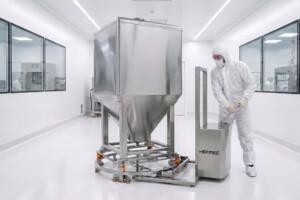
The advantages of the clamp-on grab are not limited to its versatility. It also offers significant improvements in work ergonomics and safety. It reduces the need for manual handling, thereby reducing the strain on workers and the risk of injury. In addition, the clamp-like gripper allows for more precise and controlled piece handling, improving the efficiency and quality of production processes.

The use of a clamp-on grabber for various tasks

The clamp-on gripper can be used in a wide range of industrial applications. For example, it is ideal for lifting and moving large drums, bushings and similar objects. The gripper allows the pieces to be lifted and rotated continuously, allowing them to be precisely positioned for the next stage of the work.

Especially in industrial environments where off-centre pieces are handled, the clamp-type gripper offers significant advantages. It ensures that the pieces remain securely clamped throughout lifting and moving. This reduces the risk of pieces falling and being damaged, improving both the safety of the working environment and the quality of production.

How to choose the right type of gripper in industry

Choosing the right type of gripper for industry depends on many factors, such as the size, shape and weight of the workpieces to be handled. It is important to carefully assess the type of pieces that will be handled and the requirements for handling them. A clamp-type gripper is an excellent choice when a versatile and adaptable gripper is required.

The selection process must also take into account the specific characteristics of the working environment. For example, the height of the room and the available lifting height may influence the choice of grab. Hefmec experts can help you assess your needs and recommend the most suitable gripper to meet the requirements of your industrial environment.

Installation and commissioning

The installation and commissioning of the clamp-on grab is designed to be as simple and quick as possible. Clear installation instructions are supplied with the grab, making it easy to attach it to a crane or other lifting equipment. Once installed, the grab is immediately ready for use, minimising production downtime and allowing a quick transition to the next phase of the job.

During commissioning, it is important to ensure that all users are familiar with the operation and safety instructions of the grabber. Hefmec will provide training and support where necessary to ensure safe and effective use of the grabber. This will ensure that the gripper works optimally and meets all its requirements.

Cleanroom solutions for industry

Työvälinepalvelu - Hefmec työväline puhdastiloihin

The importance of cleanroom products in industry

Cleanroom products play an important role in many industries, especially those where hygiene and contamination control are critical. These include the pharmaceutical, food and electronics industries. Cleanroom products help you ensure that production processes meet stringent quality and safety requirements, which is important for the safety of both products and workers.
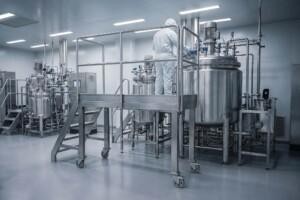
The design and implementation of cleanroom products require specific expertise. Cleanroom products must be easy to clean, resistant to chemicals and ergonomically designed. Meeting these requirements requires in-depth knowledge of both technical and functional aspects.

When choosing cleanroom products, you should pay attention to the choice of materials. Stainless steel is a popular choice because it resists chemicals well and is easy to clean. Aluminium, clear acrylic and polycarbonate are also good choices depending on the application. The choice of material directly affects the lifetime of the product and maintenance costs.

Design and supply of tools

The design of tools for cleanrooms always starts with the design of the working method. This step is important because it determines the usability, safety and cleanability of the tools. Good design takes into account the user-friendliness of the tools and all the necessary safety and hygiene requirements.

The design of work equipment must also take into account the durability of chemicals, which is important in many industrial environments. Different chemicals can cause corrosion or other damage if the material choices are not correct. It is therefore important to find out in advance what chemicals will be used in the workspace.

The best way to get the tools is to choose a supplier who will take care of everything from design and implementation to commissioning. This includes instructions for use and maintenance and, if necessary, guided commissioning. This will ensure that you can be confident in the functionality and safety of the tools from the outset.

Ergonomics is also an important factor in the design of tools. Well-designed work equipment reduces stress for workers and improves safety at work. This means the right handles, appropriate weight and easy-to-use mechanisms.

Lifting equipment and its importance

Lifting equipment is an important part of many industrial processes, especially in cleanrooms and hygienic environments. Lifting equipment is designed to meet the same requirements as other cleanroom products: cleanability, chemical resistance, usability and safety.

When choosing lifting equipment, make sure that it is CE marked and complies with the Machinery Directive and the national regulations of the country of destination. This ensures that the equipment is safe and reliable to use. Without these markings, you cannot be sure of the safety of the equipment.

The capacity of the lifting equipment must be correctly dimensioned. Too small a capacity poses a safety risk, while too large a capacity makes the equipment unnecessarily heavy and expensive. Sizing should also take into account future needs and possible changes in production processes.

The maintenance of lifting equipment is important for its safe use. Regular maintenance prolongs the life of the equipment and ensures that it works reliably. Maintenance instructions should be followed carefully and carried out by qualified personnel.

Storage racks for clean rooms

Storage racks are an important part of the cleanroom infrastructure, allowing efficient use of space and safe storage of products. Well-designed storage racks maximise the use of space and provide versatile solutions for storing products and production equipment.

Storage racks are available in a variety of configurations and materials, including stainless steel, aluminium, clear acrylic and polycarbonate. The choice of material depends on the intended use and environmental requirements. Stainless steel is the most durable option, but it is also the most expensive.

Storage racks can be integrated into existing infrastructure, maximising space utilisation and improving the efficiency of production processes. This requires careful design and measurement to ensure that the racks fit perfectly into the space.

Mobile storage racks are practical when flexibility is needed. Wheels make it easier to move the racks, but they should be carefully selected to withstand the load and be easy to clean. Lockable wheels are important for safety.

Consideration of ergonomics and usability

Ergonomics and usability are important factors in the design of cleanroom products. Well-designed tools and equipment improve worker safety and well-being, which in turn increases productivity and reduces work-related illnesses and injuries.

Paying attention to ergonomics is not only important for the well-being of workers, but also for the efficiency of production processes. Well-designed tools and equipment allow for smoother and faster working, which improves the efficiency of the whole production process.

Optimising the working height is one of the most important ergonomic factors. Too low or too high a working height causes back problems and reduces work efficiency. Adjustable desks and scaffolding help to optimise the working height for different users.

Handling distance is another important ergonomic factor. Items should be within easy reach without stretching or reaching. This reduces strain on the shoulders and neck and improves safety at work.

Lifting and carrying ergonomics are particularly important in heavy industrial environments. Aids such as lifting equipment and trolleys reduce physical strain and significantly improve safety at work.

Material choices and durability

Material choices directly affect the lifetime and performance of cleanroom products. Stainless steel is the most common choice due to its excellent properties. It is highly resistant to chemicals, easy to clean and retains its appearance for a long time.

Aluminium is a lightweight option that is well suited to mobile equipment. It is also corrosion resistant and easy to clean. However, aluminium is a softer material than stainless steel, so it is not suitable for all applications.

Plastic materials such as polycarbonate and acrylic are good options when transparency or special chemical resistance is required. They are also lightweight and easy to form into complex shapes.

Surface treatments further improve the properties of materials. For example, antibacterial coatings reduce bacterial growth and facilitate cleaning. Non-slip coatings can be used to reduce friction and facilitate cleaning.

Cleaning and maintenance

Cleaning and maintenance of cleanroom products are important for their functionality and lifetime. Regular cleaning prevents contamination and ensures that products meet hygiene requirements.

The choice of cleaning products is important. To avoid damage, use only cleaning products that are suitable for the material. Chemicals that are too harsh can cause corrosion or other damage.

Cleaning methods must be carefully planned. Some products can be cleaned on site, while others need to be disassembled for thorough cleaning. Cleaning instructions must be followed carefully.

Regular inspections help to detect problems early on. Check products regularly for wear, damage and malfunctions. Small problems are easier and cheaper to fix than big ones.

Design and customisation

Every cleanroom environment is unique and therefore products often need to be tailored to the customer’s needs. Standard products are not always suitable for all situations, and customisation can significantly improve performance.

The design process always starts with a needs assessment. Find out what activities will be carried out in the space, what materials will be handled and what the specific requirements are. This information is essential to find the right solution.

3D modelling and visualisation help to visualise the end result in advance. This way you can ensure that the products fit the space and meet expectations before manufacturing.

Prototyping is useful for complex projects. Prototyping allows you to test functionality and make necessary changes before final production.

The design and implementation of cleanroom products require specific expertise and experience. Finding the right solutions helps to improve the efficiency of production processes and ensure that all requirements are met. Hefmec offers a comprehensive range of cleanroom products and tailor-made solutions for industrial needs.

Cleanroom design for pharmaceutical projects

Työtaso puhdastiloihin

The importance of cleanrooms in the pharmaceutical industry

Cleanrooms are a critical part of the pharmaceutical industry’s production processes. They provide a controlled environment where airborne contaminants such as dust, micro-organisms and chemical vapours are kept to a minimum. This is particularly important in the manufacture of pharmaceuticals and biotechnology products, where even small contaminants can affect product quality and safety.

Our expertise in cleanroom design ensures that facilities meet the most stringent standards, such as ISO 14644 and GMP (Good Manufacturing Practice), which not only guarantee product quality, but also protect workers and the environment from potential harm.

Basic design principles

The design of cleanrooms needs to take into account a number of factors, such as ventilation, pressure differentials, material choices and ergonomics. The design of ventilation is particularly important as it directly affects the cleanliness of the room. Airflow control and filtration systems must be designed to minimise the risk of contamination.

Material choices are also key. We only use high-quality, easy-to-clean and durable materials that meet the requirements of the pharmaceutical industry. Taking ergonomics into account at the design stage improves worker well-being and efficiency, which in turn increases production quality and safety.

Hygienic environment and cleanability

A hygienic environment is an essential part of cleanroom performance. Cleanability must be taken into account at the design stage in order to keep the facilities clean and free of contamination. This means smooth, seamless surfaces and easily accessible areas that can be effectively disinfected.

Our design process ensures that all cleanroom components, such as walls, floors and ceilings, are easy to clean and can withstand repeated disinfection. This significantly reduces the risk of contamination and improves the reliability of production processes.

Documentation and certification

In the design and construction of cleanrooms, documentation is as important as the technical implementation itself. All stages of design, material selection and testing are carefully documented to ensure compliance. This documentation is also an essential part of the facility certification process.

Our documentation practices meet all necessary standards, including CE marking and FDA requirements. This ensures that cleanrooms are safe and work as designed. Certification is an important part of quality assurance and gives our customers confidence in the performance of our facilities.

Ergonomics and usability

Ergonomics and usability are key factors in the design of cleanrooms. Well-designed workspaces improve worker efficiency and reduce work-related injuries. This is particularly important in the pharmaceutical industry, where precision and repetitive movements are commonplace.

Our design process takes into account the needs of employees and the way they work. We use ergonomic solutions such as adjustable workstations and easily accessible storage areas to improve comfort and efficiency. This not only improves the well-being of workers, but also enhances production quality and safety.

Comprehensive project management

Cleanroom projects are complex and require careful planning and coordination. Our approach is holistic, which means that we take care of all phases of the project, from planning to implementation and commissioning. This ensures that the project proceeds smoothly and on schedule.

Our project management covers all aspects, including budgeting, scheduling, risk management and quality assurance. We use modern project management tools and methodologies that enable effective monitoring and reporting. This gives our clients full visibility of project progress and ensures that the end result meets expectations.