How to assess a successful device design?

Successful equipment design is a complex process that requires careful planning, testing and evaluation. Evaluation of the device design is a critical step to ensure that the final product meets all requirements and expectations. In this article, we discuss how to evaluate a successful device design and what factors are key to the evaluation process.

User experience and ergonomics

One of the most important factors in evaluating equipment design is user experience. It is important that the device is easy to use and intuitive. User experience can be evaluated through user testing, where real users test the functionality of the device and provide feedback. This will help identify potential problems and improve the usability of the device.

Ergonomics is another key factor. The device should be comfortable and safe to use for a long time. The ergonomic assessment includes, among other things, the weight, shape and materials of the device. Well-designed ergonomics reduce user strain and improve the user experience.

Functionality and performance

Functionality and performance are at the heart of equipment design. It is important to ensure that the equipment meets all its technical requirements and performs reliably in a variety of conditions. This can be assessed through performance tests, where the device is tested under different operating conditions and environments.

Performance is assessed by looking at factors such as the speed, accuracy and durability of the device. It is also important to consider the energy efficiency and environmental impact of the device, as these factors are increasingly important in today’s device design.

Safety and reliability

Safety is a critical factor in equipment design. The equipment must be safe to use and comply with all relevant safety standards and regulations. The safety assessment includes, among other things, risk analysis and safety tests, which examine the potential hazards of the equipment and how to prevent them.

Reliability is another important factor. The device must work reliably for a long time without failures or malfunctions. Reliability can be assessed, for example, through life cycle tests, where the equipment is used intensively over a long period of time. This helps to identify potential weaknesses and improve the durability of the equipment.

Cost-effectiveness and manufacturability

Cost-effectiveness is an essential part of successful equipment design. It is important that the equipment is economically viable to manufacture and sell. Assessing cost-effectiveness includes looking at things such as material costs, manufacturing costs and maintenance costs. The aim is to strike a balance between quality and cost.

Manufacturability is another key factor. The device must be easy and efficient to manufacture. This can be assessed through a manufacturability analysis, which looks at the design of the device from the perspective of the manufacturing process. A well-designed device is easy to assemble, test and maintain, reducing manufacturing costs and improving product quality.

Compatibility and scalability

Compatibility with other equipment and systems is an important factor in equipment design. The device must work seamlessly with other devices and software. Compatibility assessment includes standards and protocols compliance, as well as compatibility tests that examine how the device performs in different environments.

Scalability is another important factor. The device must be easily expandable and upgradeable for future needs. The assessment of scalability includes, among other things, an examination of the modularity and upgradeability of the device. A well-designed device is flexible and adapts easily to changing needs.

Evaluating a successful equipment design is a multi-step process that requires careful planning and testing. User experience, functionality, security, cost-effectiveness, compatibility and scalability are key factors to consider. Hefmec experts are ready to assist you at every stage of the equipment design process, ensuring that the final product meets all requirements and expectations.

Basics of equipment design – Guide

Equipment design is a complex and multi-stage process that requires a deep understanding of both technical and functional requirements. In this article, we will go through the basics of device design and provide a comprehensive overview of what this process entails. Our aim is to provide our readers with valuable information and an in-depth understanding of the different aspects of device design.

Steps in the design process

The equipment design process usually starts with the definition of needs and requirements. This stage is critical as it defines the design guidelines and objectives. It is important to understand what problem the device solves and what its functional requirements are. This phase often also includes market research and competitor analysis.

The next step is conceptual design, where preliminary ideas and solutions are created. At this stage, various design tools and software, such as CAD software, are often used to visualise and test different concepts. After conceptual design, we move on to detailed design, where the components, materials and manufacturing methods of the device are precisely defined.

Material choices and components

Material choices are a key part of equipment design. Choosing the right material will affect the durability, functionality and cost of the equipment. Several factors such as mechanical properties, chemical resistance and temperature tolerance must be taken into account when selecting materials. It is also important to consider the availability and cost of materials.

Component selection is also an essential part of the design process. Components must meet the functional requirements of the device and be compatible with other components. This step often requires close cooperation with different suppliers and manufacturers to ensure component quality and availability.

Prototyping and testing

Prototyping is an important step in the design process, as it allows you to test and evaluate your design solutions in practice. Prototypes can be used to identify potential problems and make the necessary changes before mass production. Prototyping often uses 3D printing and other fast manufacturing techniques that allow rapid iteration.

Testing is an essential part of prototyping. Testing ensures that the device meets all its requirements and works as intended. During the testing phase, different test methods can be used, such as mechanical tests, electrical tests and environmental tests. Based on the results of the testing, the necessary changes and improvements are made.

Documentation and standards

Documentation is an important part of equipment design, as it ensures that all stages of the design process and decisions are recorded. A well-documented design process facilitates the manufacture, maintenance and possible future modifications of the equipment. Documentation includes design drawings, material lists and test reports.

Compliance with standards is also an essential part of equipment design. Different industries and markets set different standards and requirements that equipment must meet. Compliance with standards ensures the safety, reliability and compatibility of the equipment with other equipment and systems. Knowledge of and compliance with standards is important for the approval and certification of equipment on the market.

Cooperation and communication

Equipment design is often a multidisciplinary process that requires close cooperation between different experts and stakeholders. The design team can include engineers, designers, manufacturers and customers. Effective communication and collaboration are key to ensuring a successful design process. It is important that all parties are aware of the project objectives, timelines and requirements.

Communication is also important for monitoring the progress of the project and solving any problems. Regular meetings, reports and updates help keep all parties informed and ensure that the project is progressing as planned. Good communication and cooperation also help build trust and strengthen team spirit.

Conclusions

The fundamentals of equipment design cover a wide range of areas, all of which are important for a successful design process. Defining needs and requirements, material selection, prototyping and testing, documentation and standards compliance, and effective collaboration and communication are all key factors that influence the final quality and performance of the device.

At Hefmec, we constantly strive to develop and improve our equipment design processes to provide the best possible solutions for our customers. We hope that this article has provided you with valuable information and an in-depth understanding of the fundamentals of equipment design. If you have any questions or would like to discuss the subject further, you are always welcome to contact us.

What are the basics of equipment design?

Equipment design is a complex and multi-stage process that requires a deep understanding of both technical and functional requirements. In this article, we will cover the basics of device design and provide a comprehensive overview of what this process entails. We aim to provide our readers with valuable information to help them understand the key elements of device design and their importance.

Steps in the design process

The equipment design process usually starts with the definition of needs and requirements. This stage is critical as it defines the direction and objectives of the project. It is important to understand what problem the device solves and what its functional requirements are. This phase often also includes market research and competitor analysis.

The next step is conceptual design, where preliminary plans and ideas for the design and operation of the device are created. At this stage, various design tools and software can be used to help visualise the function and appearance of the device. After conceptual design, we move on to detailed design, where the components, materials and manufacturing methods of the device are precisely defined.

Material choices and components

Material choices are a key part of equipment design. Choosing the right materials affects the durability, functionality and cost of the equipment. Several factors such as mechanical properties, chemical resistance and temperature tolerance need to be taken into account when selecting materials. It is also important to consider the availability of materials and their environmental impact.

Component selection is also an essential part of the design process. Components must meet the functional requirements of the device and be compatible with other parts. This stage often requires close cooperation with different suppliers and experts to ensure that all components meet the required standards and specifications.

Prototyping and testing

Prototyping is an important stage in the design of a device, as it allows testing and optimisation of designs before actual production. Prototypes can be used to identify possible design flaws and make the necessary corrections. This stage often involves several iterations of refinement and retesting of the prototype.

During the testing phase, the prototype is subjected to various conditions and loads to ensure its functionality and durability. Testing also allows the performance of the device to be assessed and ensures that it meets all the requirements. The results of the testing are carefully documented so that they can be used for further development and production.

Documentation and standards

Documentation is an essential part of equipment design. Well-documented plans and test results facilitate project management and ensure that all parties are aware of the requirements and specifications of the equipment. Documentation often includes drawings, technical specifications, test reports and user manuals.

Compliance with standards is also important in equipment design. Different industries and markets set their own requirements and standards that equipment must meet. Compliance with these standards ensures that the equipment is safe, reliable and compatible with other systems. Compliance with these standards can also facilitate certification and market access.

Cooperation and communication

Equipment design is often a multidisciplinary process that requires close cooperation between different experts and stakeholders. Good communication and collaboration are key to the success of a project. It is important that all parties are aware of the project objectives, timelines and requirements. This requires clear communication and effective project management.

Cooperation may also include the use of external experts and consultants. For example, Hefmec can provide expertise and support for equipment design projects, helping to ensure that all stages of the design are carried out professionally and efficiently. Working together can also help to leverage the latest technology and best practice, improving the end result of the project.

Conclusions

The basics of equipment design cover a wide range of different areas, all of which are important for achieving a successful outcome. The stages of the design process, material selection, prototyping and testing, documentation and standards compliance, collaboration and communication are all key elements that affect the quality and performance of the device.

By understanding and mastering these fundamentals, we can ensure that equipment design projects run smoothly and deliver high-quality, functional and durable equipment. Hefmec is committed to providing expertise and support at all stages of equipment design, helping our customers achieve the best possible results.

Hefmec’s equipment design expertise

A customer-driven planning process

At Hefmec, we believe that successful equipment design always starts with understanding the needs and desires of the customer. We listen carefully to our customers’ challenges and objectives so that we can provide them with the most appropriate solutions. This customer-centric approach ensures that the equipment we design accurately meets their requirements and operates efficiently in their production environment.
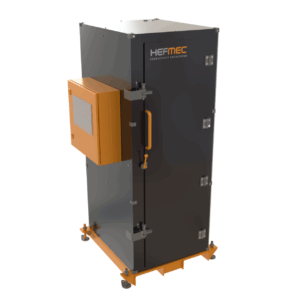
Our design process is iterative and flexible, allowing us to respond quickly to changes and suggestions for improvement. We use modern design tools and methods to support efficient and accurate design. This, combined with close collaboration with the client, ensures that the end result is always of high quality and functionality.

Innovative solutions and technologies

Hefmec’s expertise in equipment design is based on strong technical expertise and the use of innovative solutions. We constantly monitor developments in the industry and adopt the latest technologies and methods to improve the design process and the quality of the final product. This enables us to offer our customers technologically advanced and cost-effective solutions.

Innovation is also reflected in the way we solve complex production problems. For example, we use simulation tools and prototyping to test and optimise our designs before actual production. This reduces risk and ensures that the final product meets all requirements and expectations.

Lifetime guarantee and liability

One of Hefmec’s core values is responsibility. We take full responsibility for all our projects and ensure that our customers can rely on us in all situations. This is also reflected in the fact that we offer a lifetime guarantee on many of our products. This guarantee is proof of our confidence in our own expertise and the quality of our products.

The lifetime guarantee is not just a marketing gimmick, it is based on real commitment and responsibility. We want to ensure that our customers are satisfied and that their equipment will continue to work well for years to come. This trust and accountability has made us a trusted partner for many companies in a wide range of industries.

Fast and agile ways of working

Hefmec’s working methods are agile and flexible, allowing us to respond quickly to customer needs and changes. While others talk in months, we talk in days. However, this speed does not mean a loss of quality, quite the opposite – our agile methods ensure that we can deliver high quality solutions quickly and efficiently.

Our agile working methods are based on close collaboration and open communication both within clients and the team. This allows us to make decisions quickly and react flexibly to changing situations. We always aim to provide our customers with the best possible service and solutions that meet their needs and exceed their expectations.

Technical and economic optimisation

Hefmec’s design solutions are always technically and economically optimised. This means that we take into account both technical requirements and cost-effectiveness at every stage of the design process. Our aim is to provide solutions that not only work efficiently and reliably, but also improve our customers’ productivity and profitability in the long term.

Technical optimisation means using the best possible technologies and methods in design and manufacturing. Economic optimisation ensures that solutions are cost-effective and deliver added value to our customers. This combination makes us a trusted and valued partner for many companies in a wide range of industries.

Listening to the client and understanding the root of the problem

Everything we do starts with listening to the client and understanding the root of the problem. We believe that only by understanding our clients’ real needs and challenges can we provide them with the best possible solutions. This approach ensures that the equipment and solutions we design accurately meet customer requirements and operate effectively in their production environment.

Understanding the root cause of the problem is a key part of our planning process. We carefully analyse our clients’ challenges and look for the underlying causes to provide sustainable and effective solutions. This thorough approach ensures that our solutions not only correct the symptoms, but also address the root cause of the problem and improve our clients’ productivity and efficiency in the long term.

How does equipment design affect product quality?

Introduction to equipment design

Device design shapes the quality and functionality of the product at every stage of the development process. When you design a device right, it doesn’t just meet the user’s needs – it exceeds expectations in terms of durability, usability and performance. In the technology industry, this means that innovation and precision determine whether you succeed in the market or are left behind by your competitors.

Equipment design is a multi-stage process that requires in-depth expertise and careful planning. In this article, we’ll go through how device design affects product quality and what factors you need to consider when developing a quality product. You’ll get practical tips and in-depth information on how to make design decisions that improve the bottom line.

User experience and ergonomics

To create a positive user experience, consider ergonomics, usability and an intuitive user interface from the design stage. An easy-to-use and comfortable device improves user satisfaction and significantly reduces the chance of errors.

Taking ergonomics into account in the design reduces the physical strain on the user and improves work performance. When designing tools and equipment, ergonomic solutions reduce the risk of stress injuries and improve working comfort. This has a direct impact on product quality and lifetime.

In practice, this means studying how users work, measuring hand grips and analysing movements. You test prototypes in real-life situations and collect feedback from users. This ensures that the device feels natural to use, even over long periods of time.

Material choices and durability

The choice of materials directly affects the durability and quality of the product. Properly selected materials improve the performance, durability and safety of your equipment. High-quality alloys and composites offer improved corrosion resistance and mechanical strength.

When choosing materials, you should also consider the environmental impact and recyclability. Sustainability is an increasingly important factor in equipment design, and the use of environmentally friendly materials improves the ecological footprint of the product. This not only helps to protect the environment, but also enhances your company’s reputation as a responsible corporate citizen.

In practical material selection, you will assess loads, temperatures and chemical effects. You test material samples in the laboratory and simulate operating conditions. You compare costs and availability. In this way, you find the optimal balance between performance, durability and economics.

Innovation and the use of technology

Innovation is at the heart of equipment design. The use of new technologies and methods significantly improves product quality. 3D printing and advanced simulation software allow for more accurate and faster prototyping, reducing errors and improving the quality of the final product.

The use of technology is not limited to the manufacturing process. Intelligent sensors and IoT solutions enhance the functionality and user experience of the device. Integrating these technologies at the design stage brings significant benefits, such as the possibility of predictive maintenance and better performance monitoring.

Digital twin technology allows you to test and optimise the performance of your device virtually before a physical prototype. Artificial intelligence helps analyse usage data and predict maintenance needs. Cloud services allow remote monitoring and sharing of updates. This makes your device smarter and more responsive to user needs.

Quality standards and certifications

Quality standards and certifications are an important part of equipment design, ensuring that the product meets certain quality and safety standards. These standards vary depending on the industry and market, but compliance with them is essential to ensure product quality and reliability.

ISO certifications provide an internationally recognised framework for quality management. By following these standards, companies can improve the efficiency of their processes and reduce the number of errors. This has a direct impact on product quality and customer satisfaction.

In practice, compliance means documented processes, regular audits and continuous improvement. You need to design a quality system that supports product development and ensures that every stage of manufacturing meets the required standards. This will help you avoid costly recalls and improve customer confidence in your products.

Optimising the design process

An efficient design process speeds up product development and improves the quality of the end result. By dividing the project into clear phases and defining objectives for each phase, you save time and resources. Regular testing and feedback gathering will help you correct problems early on.

Teamwork is a success factor in the design process. When you combine the expertise of different disciplines – design, manufacturing, marketing and sales – you get a more comprehensive view of the product. Regular meetings and shared documentation keep everyone on the same page.

Digital tools make collaboration more efficient and speed up decision-making. CAD software enables real-time collaboration, project management systems keep schedules in check and communication platforms ensure information flow. This allows you to focus on creative design instead of wasting time on administrative tasks.

Summary

Equipment design is a complex and multi-stage process that directly affects product quality. User experience, material choices, innovation and quality standards are all important factors to consider when developing a quality product. At Hefmec, we constantly strive to improve our design processes and use the latest technologies and methods to provide our customers with the best possible solutions.

We hope that this article has provided you with in-depth information on the importance of device design and its impact on product quality. Quality design plays an important role in the success of a product, and its importance becomes even greater as technology evolves and user expectations increase.

How is equipment design related to the production process?

Equipment design is a key part of the production process, and is particularly important in the industrial and manufacturing sectors. Equipment design ensures that production processes are efficient, safe and economical. In this article, we look at how equipment design is linked to the production process and why it is so important.

The role of equipment design at the beginning of the production process

In the early stages of the production process, equipment design plays a crucial role. The design phase defines the technical requirements and functionalities of the production equipment. This stage is critical as it directly affects the efficiency and quality of the production process. Well-designed equipment can reduce downtime and improve production flow.

Ergonomics and safety are also taken into account at the design stage. The well-being and safety of workers is paramount, and equipment design can help minimise the risk of accidents and improve the ergonomics of the working environment. This not only improves the well-being of workers, but also increases productivity.

Ensuring efficiency and quality

Equipment design directly affects the efficiency and quality of the production process. Well-designed equipment allows for faster and more accurate production, reducing errors and improving the quality of the final product. This is particularly important in a competitive market where quality and reliability of supply are key.

But improving efficiency does not just mean faster production. It also means optimal use of resources. Equipment design can reduce material waste and energy consumption, which is both economically and environmentally sustainable.

Flexibility and adaptability

Today’s production environments require flexibility and adaptability. Equipment design allows the creation of equipment that can adapt quickly to changing production needs. This is particularly important in the face of rapidly changing markets and individual customer needs.

Flexibility also means that equipment can be easily updated or modified as new technologies and processes are introduced. This allows for continuous improvement and innovation, which is vital to the long-term success of the business.

Cost-effectiveness and investment management

Equipment design also has a significant impact on cost-effectiveness. Well-designed equipment can reduce operating costs and extend the life cycle of equipment. This means that initial investments pay back faster and deliver more value in the long run.

Investment management is also an important part of equipment design. Decisions made at the planning stage directly affect the return on investment and the risks involved. Well-designed equipment can reduce unexpected costs and improve the predictability of investments.

Cooperation and integration

Equipment design is not a stand-alone process, but requires close cooperation between different departments and stakeholders. Collaboration between designers, engineers, production staff and management is key to a successful equipment design and production process. This collaboration ensures that all perspectives and needs are taken into account during the design phase.

Integration is also an important part of equipment design. Equipment must work seamlessly with other production equipment and systems. This requires careful planning and testing to ensure that all parts work together efficiently and without interference.

Conclusion

Equipment design is an essential part of the production process, and its importance is highlighted in particular in terms of efficiency, quality, flexibility and cost-effectiveness. Well-designed equipment can improve the flow of the production process, reduce costs and increase competitiveness. Companies like Hefmec that invest in equipment design can achieve significant benefits and better market success.

We hope that this article has provided in-depth insight into the importance of equipment design in the production process and helped you understand why it is so important. We will continue to work on innovative and efficient solutions to provide the best possible service to our customers.

Modern machinery and equipment design for production needs

Penumaattisen toimilaitteen

Why machine and equipment design is important in modern production

The design of machinery and equipment has a direct impact on how well your production runs. When your machinery and equipment is designed correctly, your production runs smoothly, quality improves and downtime is reduced. In concrete terms, this means that you save money and time.

In today’s competitive environment, every improvement in production can give you a significant advantage over your competitors. A well-designed machine is not only efficient – it also makes optimal use of resources and lasts longer.

Every production environment is different. The needs of your factory are not the same as those of your competitors. That’s why standard solutions often don’t work best. You need customised solutions that fit your processes.

When the designer listens to your needs and analyses the specificities of your production process, the end result is a technically and economically optimal solution. This approach helps you get exactly what you need – nothing more, nothing less.

How new technologies are changing design

Technology is evolving rapidly, opening up new opportunities in machinery and equipment design. Automation, robotics and artificial intelligence can significantly improve the efficiency and flexibility of your production. But implementing these technologies requires in-depth knowledge.

Simply implementing technology is not enough – it needs to be seamlessly integrated into your existing systems. This means that the designer needs to understand both the new technology and your existing processes.

The latest design software and tools enable accurate and reliable designs. These tools help visualise solutions at the design stage, reducing errors and speeding up the process.

Keeping up with trends and innovations in the sector is an ongoing effort. Technology is evolving so fast that a new solution yesterday can be obsolete today. That’s why it’s important for designers to have both technological know-how and practical experience.

Agile working methods bring speed and flexibility

Working in an agile way means that you can react quickly to changes and new needs. In a production environment, situations often change quickly and you need to be able to adapt.

An open culture promotes cooperation and knowledge sharing. When information flows freely, projects run more smoothly and quality improves. This means that all parties involved understand the objectives and can work towards them.

Agile methods allow solutions to be delivered in days rather than months. This is particularly important when problems arise in production that require a rapid response.

Fast and flexible problem solving and continuous improvement are possible when supported by working methods. Customers appreciate this approach because it means less downtime and faster solutions.

Customer focus starts with listening

The best way to solve production challenges is to listen to you and understand the root of the problem. This approach leads to tailored and sustainable solutions that meet your real needs.

Every project starts with a thorough analysis. At this stage, your needs and the specificities of your production processes are identified. Without this step, it is impossible to design a workable solution.

A good solution will not only solve your current problems – it will also improve the efficiency and flexibility of your production in the long term. This means that your investment will pay off and add value in the future.

Our customer-centric approach means that our solutions are designed to meet your needs. Standard solutions may be cheaper, but they often don’t deliver the best possible results.

When a designer truly understands your business and your processes, the end result is a solution that supports your goals and helps you to be more successful.

The guarantee shows confidence in your work

Quality machinery and equipment is an investment that pays for itself in the long term. That is why it is important that the designer and supplier take full responsibility for their work.

The lifetime guarantee on many products is proof that the designer is confident in his own skills and the quality of his products. This gives you peace of mind, knowing that you will always have support when you need it.

The guarantee is not just a promise on paper – it is part of our culture and values. This means that any problems that arise will be resolved quickly and efficiently at no extra cost to you.

This responsibility is also reflected in the designer’s interest in how the solution will work in practice. A good designer will also follow the project after installation to ensure that everything works as planned.

When designers take responsibility for their work, it motivates them to do the best possible job right from the design stage. This benefits you because you get a better quality end result.

Future technologies and continuous development

Machine and equipment design is constantly changing, and the future looks promising. New technologies and innovations constantly offer new opportunities to improve production efficiency and flexibility.

The role of automation, robotics and artificial intelligence will continue to grow in the future. Integrating these technologies into production processes requires in-depth knowledge and experience. Just knowing the technology is not enough – you also need to understand how it fits into your processes.

Continuous development and innovation are important to provide the best possible solutions for the future. This means that designers need to keep up to date with the latest developments and technologies.

Digitalisation also brings new opportunities for mechanical and equipment design. For example, remote monitoring and predictive maintenance can reduce downtime and significantly improve production efficiency.

In the future, sustainability and environmental friendliness will also become increasingly important. Energy-efficient solutions are not only good for the environment – they also save money in the long run.

Summary

Machine and equipment design is an important part of modern production. Properly designed solutions improve efficiency, reduce costs and provide a competitive advantage. At Hefmec, we understand the importance of these factors and are committed to providing our customers with the best possible solutions.

How to start a hardware design project?

Project definition and objectives

Every successful equipment design project starts with a clear definition and setting of objectives. This stage is critical as it lays the foundation for the entire project. It is important to understand what problem the device solves and what its key features and requirements are. The objectives must be realistic and measurable so that the progress of the project can be monitored and evaluated.

When defining the project, it is also worth taking into account the needs and expectations of stakeholders. This may include customers, end users, and potential partners. Clear communication and documentation at this stage will help avoid misunderstandings and ensure that all parties are on the same page about the project objectives.

Concept design and brainstorming

Once the project objectives have been defined, the next step is conceptual design and brainstorming. This phase involves creative thinking and finding innovative solutions. It is useful to use different brainstorming methods such as brainstorming, SWOT analysis and competitor analysis to get a broad perspective on possible solutions.

Conceptual design can also make use of prototyping and modelling. This helps to visualise ideas and assess their feasibility. Prototypes can also be used to test and gather feedback, which is valuable information before the actual design begins.

Technical design and specifications

Technical design is at the heart of equipment design. This is where ideas and concepts are translated into concrete plans and specifications. Technical design involves the preparation of detailed drawings and documentation that define the structure, components and functionalities of the equipment.

It is important to ensure that technical specifications are accurate and comprehensive. This will help avoid errors and ensure that the equipment meets all requirements and standards. Simulations and analyses can also be carried out during the technical design phase to help optimise the performance and reliability of the equipment.

Prototyping and testing

Prototyping and testing are key steps in the design of a device. Prototyping helps to ensure that the designed device works as expected and meets all requirements. The testing phase also allows potential problems to be identified and necessary changes made before mass production.

The testing process must be thorough and comprehensive. It may include different testing methods, such as functional tests, endurance tests and environmental tests. The test results are carefully documented to ensure that the equipment meets all quality and safety requirements.

Production and launch

Once the prototypes have been tested and approved, the next stage is production and launch. The production phase ensures that the device can be manufactured efficiently and cost-effectively. This may include optimising production processes, sourcing materials and quality control.

During the launch phase, the device will be introduced to the market. It is important to carefully plan a launch strategy that includes marketing communications, distribution channels and customer support. After the launch, it is also important to monitor the performance of the device and collect feedback in order to make necessary improvements and upgrades.

Summary

An equipment design project is a multi-stage process that requires careful planning and implementation. Project definition and goal setting provide the foundation on which conceptual and technical design is built. Prototyping and testing ensure that the device works, and production and launch bring the device to market.

At Hefmec, we are committed to providing expert and innovative equipment design that meets our customers’ needs and expectations. We hope this article provides useful information and inspiration to get you started with your equipment design. If you have any questions or need assistance with your project, please do not hesitate to contact us.

Mechanical design: expert tips

Understanding the design process

Mechanical design always starts with a thorough understanding of the design process. This process includes several steps such as defining needs, conceptual design, detailed design and finally prototyping and testing. Each step is critical, and careful execution will ensure the success of the project.

It is important that the design team understands the customer’s needs and requirements from the outset. This can be achieved through close collaboration with the client and continuous communication throughout the project. Once the needs and requirements are clearly defined, it is possible to move on to conceptual design, where several possible solutions are created and the best one is selected.

Choice of tools and software

Choosing the right tools and software is a key part of mechanical design. Today, a wide range of advanced CAD software is available, allowing the creation of accurate and complex designs. This software also allows the simulation and analysis of designs before they are implemented, reducing the risk of errors and improving the quality of the final result.

It is also important to choose the right tools and equipment for prototyping and testing. This can include 3D printers, CNC machines and other manufacturing technologies. Using the right tools and software not only improves the quality of the design, but also speeds up the process and reduces costs.

Choice of materials

In mechanical design, the choice of materials is one of the most important decisions. Materials must meet design requirements such as strength, durability, weight and cost. It is important to know the properties of different materials and their suitability for different applications.

Environmental factors, such as corrosion resistance and temperature effects, must also be taken into account when selecting materials. It is also important to consider the availability and cost of materials to keep the project within budget. Well-chosen materials can significantly improve product performance and lifetime.

Prototyping and testing

Prototyping and testing are critical steps in mechanical design. Prototypes are used to test and evaluate the practicality of designs before mass production. This stage also allows for fine-tuning and improvements to be made to the designs before final production.

During the testing phase, it is important to carry out comprehensive tests that simulate the actual operating conditions of the product. This may include mechanical tests, such as strength and durability tests, as well as functional tests to ensure product performance and reliability. Well designed and executed tests reduce risks and ensure product quality.

Project management and scheduling

Effective project management and scheduling are key to the success of mechanical design projects. A well-planned schedule and a clear project management plan help ensure that the project runs smoothly and stays on schedule. This requires close cooperation between all parties involved and constant communication on project progress.

In project management, it is important to identify potential risks and develop plans to manage them. This can include creating contingency plans and adding flexibility to the schedule. A well-managed project reduces the risk of delays and cost overruns and improves the quality of the end result.

Continuous improvement and innovation

In mechanical design, continuous improvement and innovation are key success factors. It is important that the design team is constantly learning about new technologies and methods and applying them in practice. This can include research into new materials and manufacturing technologies, and the development of new design methods.

Innovation can improve product performance, durability and cost-effectiveness. In addition, continuous improvement and innovation help a company to remain competitive and meet changing customer needs. A well-managed innovation and improvement process ensures that the company stays at the forefront of the industry and provides the best possible solutions to its customers.

Hefmec’s strengths in product development

A client-centred approach

At Hefmec, we believe that successful product development starts with a deep understanding of customer needs. We listen carefully to our customers’ wishes and challenges so that we can offer them the best solutions. This customer-centric approach ensures that the products and services we develop accurately meet our customers’ expectations and needs.

Listening to the customer is not just a formality for us, it is at the heart of what we do. We understand that every project is unique and requires tailor-made solutions. That’s why we make sure that every client feels secure and confident in our partnership. This trust is key to our efforts to provide technically and economically optimal solutions.

Agile ways of working

Our agile working methods are one of our key strengths in product development. Our culture is open and flexible, allowing us to respond quickly to our customers’ needs. While others talk in months, we talk in days. But this speed does not mean a reduction in quality, quite the opposite – it is a testament to our efficiency and ability to respond quickly to changing situations.

Our agility is based on close cooperation and continuous communication within our team and with our customers. This allows us to make quick decisions and flexible changes during the project. Our goal is always to provide solutions that not only meet current needs, but also improve future productivity.

Technical skills and innovation

Hefmec’s technical expertise and innovation are key factors that set us apart from our competitors. We have the ability to solve the most demanding industrial production problems, and this expertise is based on years of experience and continuous learning. Our innovative thinking enables us to develop new and effective solutions that improve our customers’ competitiveness.

Our technical expertise covers a wide range of industries and technologies. This diversity enables us to offer our customers tailor-made solutions that are technologically advanced and economically viable. Innovation is a continuous process for us, always looking for new ways to improve our products and services.

Liability and lifetime guarantee

One of Hefmec’s core values is responsibility. When we take on a project, we take full responsibility for our work from start to finish. This means that our customers can rely on us to always deliver high-quality solutions that meet their expectations. Accountability is a matter of honour for us and it is reflected in everything we do.

The lifetime guarantee on many of our products is a testament to our commitment to quality and customer satisfaction. This guarantee gives our customers peace of mind and the assurance that their investment is protected. It also demonstrates our strong belief in the durability and reliability of our products and services.

Economically and technically optimal solutions

Hefmec solutions are always technically and economically right-sized. This means that we not only focus on technical performance, but also take economic considerations into account. Our aim is to provide solutions that are cost-effective and add value for our customers in the long term.

Economically optimal solutions require a deep understanding of our clients’ business and its challenges. This understanding enables us to provide solutions that not only solve today’s problems, but also improve productivity and competitiveness in the future. Our technical expertise and economic mindset make us a reliable partner for all product development projects.

The most satisfied customers in the industry

Hefmec has the most satisfied customers in the industry – and for good reason. Customer satisfaction is our top priority, and we do everything we can to ensure that our customers are satisfied with our partnership. This is reflected not only in the quality of our products and services, but also in the way we interact and communicate with our customers.

Customer satisfaction is a continuous process for us, where we always strive to improve and provide better solutions. We listen carefully to our customers and take their feedback seriously. This ongoing dialogue and commitment to quality is key to providing the best possible service and achieving the most satisfied customers in the industry.